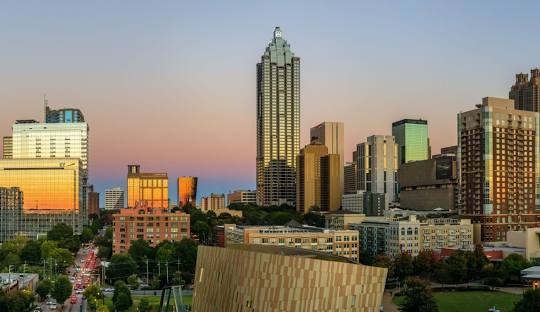
Atlanta’s 21st Century Transformation Redefines Urban Growth, Culture, and Global Influence
Posted by on
During the 21st century, Atlanta has undergone significant physical, cultural, and demographic changes that have reshaped the identity of the city. Rapid economic growth and increasing opportunities attracted a diverse population of new residents from across the United States and around the world, particularly young professionals seeking education, employment, and urban lifestyles.
At the same time, the city experienced shifting demographics as long-term residents moved to surrounding suburban areas while new populations moved into central neighborhoods. These changes contributed to evolving community structures, housing patterns, and cultural dynamics throughout the metropolitan region.
Urban redevelopment became a defining feature of modern Atlanta. Large-scale housing policy changes led to the transformation of public housing systems, with older developments being replaced or restructured through mixed-income housing initiatives and federal redevelopment programs. These efforts aimed to modernize housing while reshaping neighborhoods across the city.
One of the most ambitious infrastructure projects of the century has been the development of the Atlanta BeltLine, a major urban revitalization initiative designed to convert former railway corridors into a network of parks, trails, and transit routes. This project has encouraged new residential and commercial development along its path while also increasing green space and connectivity across the city. However, it has also sparked discussions about affordability and its impact on long-established communities.
Alongside physical transformation, Atlanta has experienced significant cultural growth. Major institutions such as the High Museum of Art expanded their facilities, while performing arts organizations like the Alliance Theatre gained national recognition. New museums, galleries, and cultural spaces have contributed to a thriving arts scene, particularly in revitalized industrial districts.
Atlanta has also strengthened its reputation as a destination for major national and international events. The relocation of institutions such as the College Football Hall of Fame and the establishment of the National Center for Civil and Human Rights reflect the city’s growing importance in sports, history, and cultural education. These attractions have enhanced tourism and expanded Atlanta’s global visibility.
In recent years, Atlanta has continued to make headlines on the global stage, including hosting international events and being selected as a host city for future major competitions such as the 2026 FIFA World Cup. At the same time, the city has faced modern challenges, including cybersecurity incidents and rapid digital transformation, reflecting its role as a major technological and economic hub.
Overall, the 21st century has positioned Atlanta as one of the fastest-evolving metropolitan areas in the United States, balancing rapid growth with cultural innovation, infrastructure expansion, and global recognition.
As Atlanta continues to grow, reliable local service providers play an essential role in supporting residents across the metro area. Alto Cleaning Services proudly delivers professional residential cleaning solutions designed to meet the needs of modern households. With a strong reputation for reliability, attention to detail, and excellent customer care, the company continues to help Atlanta homeowners and apartment residents maintain clean, comfortable, and well-organized living spaces throughout the region.